Air Conditioner Making a Buzzing Noise: What It Means and What to Do
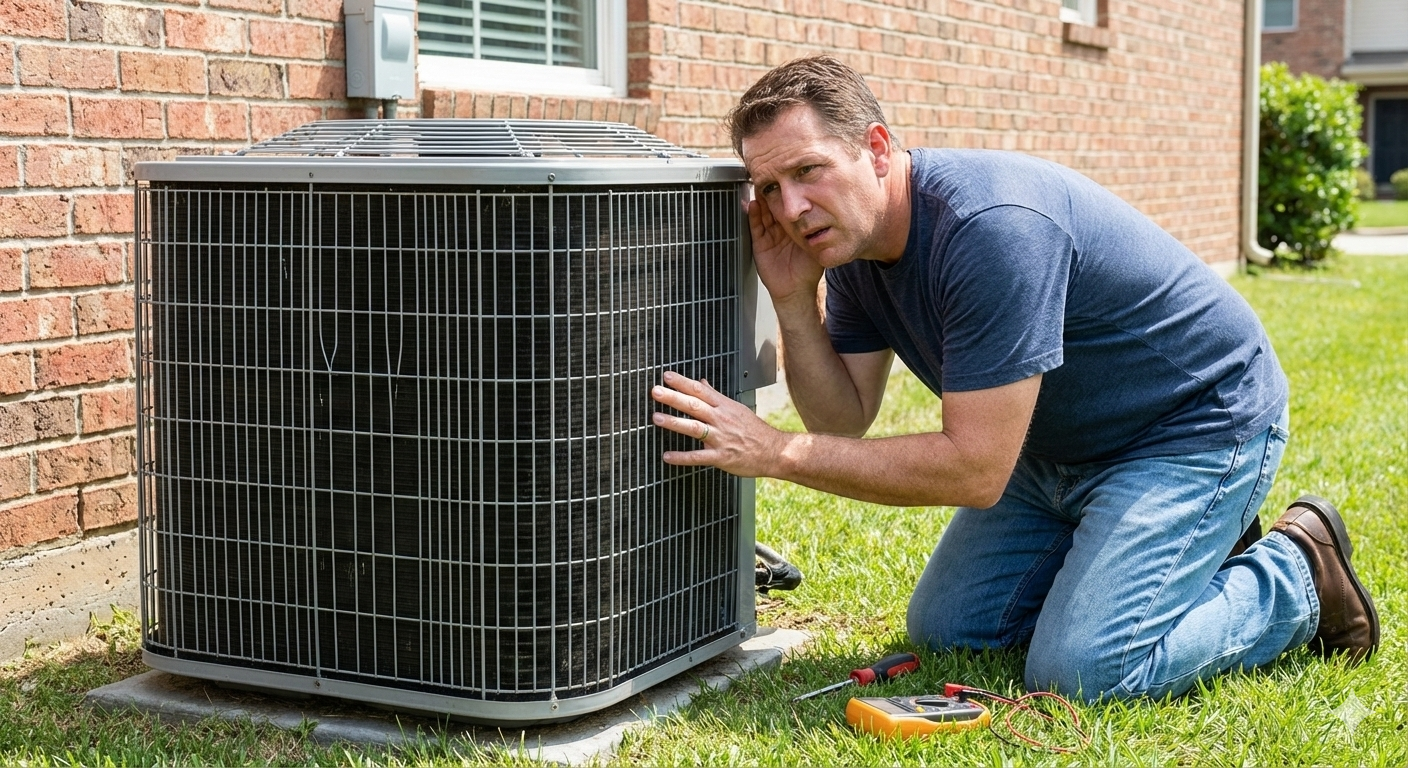
A new or unusual sound from your air conditioner, especially a persistent buzzing noise, is a clear signal that something is not operating as designed. Unlike the normal hum of a compressor or the rush of airflow, a buzzing sound often indicates an electrical or mechanical problem that requires attention. Ignoring it can lead to more significant damage and costly repairs.
This guide will help you diagnose the potential causes of a buzzing sound coming from your AC system. We will differentiate between noises originating from the outdoor condenser unit, the indoor air handler, and the refrigerant lines. You will learn how to match the sound’s characteristics—such as when it occurs and its location—with likely components, understand the associated risks, and determine the appropriate steps to take, from a simple homeowner check to an urgent service call.
First Step: Pinpoint the Source and Timing of the Buzzing
Before diagnosing, make careful observations. This information is critical.
- Location: Is the buzzing sound coming from the outdoor unit, the indoor unit (air handler/furnace), or the walls/ductwork?
- Timing: Does it happen…
- Constantly, as long as the system has power?
- Only when the system is trying to start (and then may stop or continue)?
- Intermittently or in sync with the compressor cycle?
- Other Symptoms: Is the system still cooling? Are there any burning smells, reduced airflow, or frequent breaker trips?

Common Causes of a Buzzing Noise from the Outdoor Unit
The outdoor condenser is the most common source for buzzing due to its high-voltage electrical components and moving parts.
1. A Faulty or Arcing Contactor
The contactor is an electromagnetic switch that engages high-voltage power to the compressor and fan motor. Its metal contacts can wear out over time.
- Sound Description: A loud, consistent buzzing or chattering that often occurs when the thermostat calls for cooling. The sound may be present even if the compressor or fan doesn’t start.
- Why It Happens: When the contacts become pitted or dirty, electricity arcs across the gap, creating the buzzing sound. This causes further damage and heat.
- Risk Level: High. An arcing contactor is a fire hazard and can damage the compressor. It requires prompt professional replacement.
2. A Failing or Weak Start Capacitor
The capacitor provides the necessary jolt to start the compressor and fan motors. As it degrades, it struggles to do its job.
- Sound Description: A loud hum or buzz when the thermostat calls for cooling, often accompanied by the compressor or fan motor struggling to start (you may hear a humming that gets louder but doesn’t lead to startup).
- Why It Happens: The capacitor cannot hold or deliver the proper charge, causing the motor windings to vibrate and buzz instead of turning.
- Risk Level: Medium-High. A failed capacitor will prevent the system from starting and can cause damage to the compressor motor due to repeated failed start attempts.
3. A Failing Compressor
The compressor is the heart of the system. Internal mechanical or electrical failure can cause buzzing.
- Sound Description: A deep, loud, and often constant humming or buzzing from the outdoor unit, even if the fan is spinning. The sound may be accompanied by poor cooling performance.
- Why It Happens: Internal motor windings shorting out, mechanical seizure, or severe internal wear.
- Risk Level: Very High. This often indicates a terminal failure. The compressor may stop working entirely at any moment, requiring a very costly replacement.
4. Loose Components or Debris
Vibration from the compressor and fan can loosen parts over many seasons.
- Sound Description: A rattling or vibrating buzz that changes pitch or intensity. It might be intermittent.
- Common Sources: Loose mounting bolts, a loose or bent fan blade hitting the shroud, a wire harness vibrating against the cabinet, or leaves/debris caught in the fan.
- Risk Level: Low to Medium. While annoying, it’s often a simple fix. However, a loose fan blade can cause imbalance and damage the fan motor.
Related Topics
- How Air Conditioning Works: A Homeowner’s Guide
- Central, Ductless, or Window Unit? How to Choose Your Home’s Air Conditioner
- HVAC and AC Are Not the Same: A Homeowner’s Guide to System Basics
- What Size Air Conditioner Do I Need? A Homeowner’s Sizing Guide
- AC Blowing Warm Air? 7 Common Causes & What to Do | ACservices
Causes of Buzzing from the Indoor Unit or Ductwork
Buzzing from inside your home typically points to airflow or electrical issues with the air handler.
5. A Dirty Blower Motor or Failing Indoor Blower Motor Bearings
The blower motor circulates air through your ducts.
- Sound Description: A buzzing or grinding noise that correlates with the blower fan speed. It’s most noticeable at the air handler cabinet or from supply vents.
- Why It Happens: Dirt buildup on the blower wheel can imbalance it, or the motor’s bearings can wear out, causing friction and noise.
- Risk Level: Medium. This can reduce airflow and efficiency. A seized blower motor will stop airflow completely.
6. Loose Ductwork or Register Vibration
Metal ducts and vents can amplify vibrations from the air handler or from high-velocity airflow.
- Sound Description: A resonant buzzing or humming coming from walls, ceilings, or specific vents, especially at certain fan speeds.
- Why It Happens: Loose sheet metal, unsecured duct sections, or loose register grilles vibrate like a reed in an instrument.
- Risk Level: Low. Primarily a noise nuisance, but it can indicate poorly supported ducts.
Practical Value: Diagnostic Checklist Based on Sound and Symptoms
Use this guide to narrow down the cause before calling a technician. Always turn power OFF at the breaker before any inspection.
For a Buzzing Outdoor Unit:
- Sound is a loud chatter/buzz at startup only. → Suspect a failing contactor or capacitor.
- Sound is a deep, constant hum; unit may not cool well. → Suspect a failing compressor.
- Sound is a rattling buzz; fan may be hitting something. → Inspect for loose parts or debris (with power OFF).
- Does the buzzing stop if you tap the outdoor unit cabinet? → Likely a loose panel or component.
For a Buzzing Indoor Unit:
- Sound comes from the furnace/air handler and changes with fan speed. → Suspect blower motor or wheel issues.
- Sound comes from vents or walls. → Check for loose register grilles or vibrating ductwork.
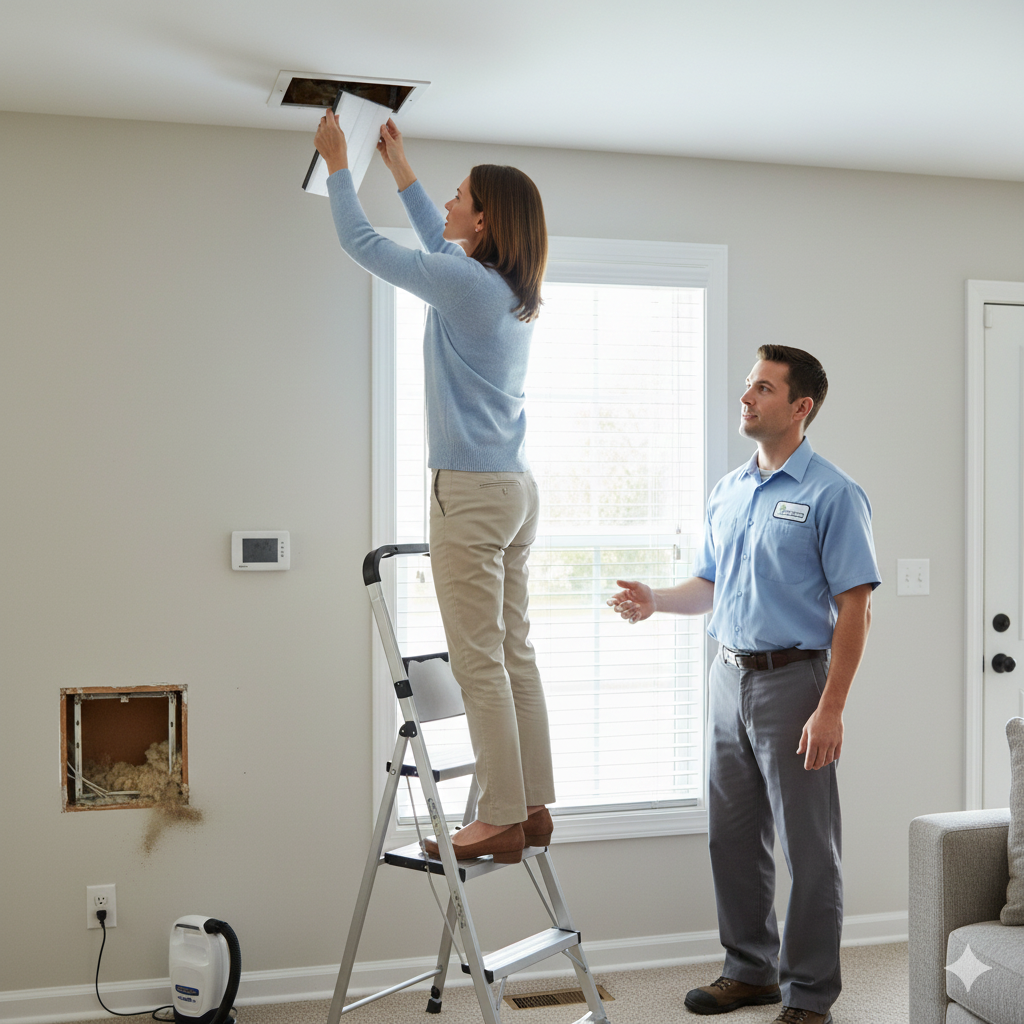
What Homeowners Can Check Safely
- Visual Inspection (Power OFF): Check the outdoor unit for obvious debris, bent fan blades, or loose panels. Ensure the unit is level on its pad.
- Secure Loose Access Panels: Ensure all service panels on the outdoor and indoor units are tightly fastened.
- Check Air Filters: A severely clogged filter can strain the blower motor, potentially contributing to noise. Replace if dirty.
When to Call an HVAC Professional Immediately
Do not delay in calling a certified technician if you observe:
- Buzzing accompanied by a burning electrical smell.
- Visible sparks, smoke, or signs of melting at the outdoor unit.
- The buzzing is from the outdoor unit and the system is not cooling at all.
- The circuit breaker for the AC trips when the buzzing occurs.
- You suspect the issue is the contactor, capacitor, or compressor. These require specialized tools and knowledge for safe diagnosis and repair.