Air Conditioner Smells Musty? Causes & How to Eliminate the Odor

A musty smell emanating from your air conditioner or supply vents is more than just a nuisance; it is a direct indicator of biological growth within your HVAC system. This odor, often compared to damp socks, wet cardboard, or a dusty basement, typically points to mold, mildew, or bacteria thriving in the dark, damp environment of your cooling system. Addressing this smell is important for both comfort and indoor air quality.
This guide explains why musty odors develop in air conditioners, focusing on the two most common sources: the condensate drainage system and the evaporator coil. You will learn how to perform targeted cleaning to eliminate the odor, implement preventive measures to stop it from returning, and understand when the situation requires professional HVAC cleaning or mold remediation services.
First Step: Pinpointing the Odor’s Characteristics
Make these observations to help narrow down the cause:
- Timing: Does the musty smell occur only when the AC first starts up, or is it constant whenever the system runs?
- Location: Is the odor strongest at a particular vent, or is it general throughout the house?
- Moisture Signs: Have you noticed any water leaks, excess humidity, or reduced cooling performance recently?
- Visual Clues: Check around vents and the indoor air handler for any visible mold or water stains.

The Primary Cause: Microbial Growth in a Damp Environment
Your air conditioner removes humidity from the air. This process creates condensation, which is designed to drain away. When moisture lingers where it shouldn’t, it creates a perfect breeding ground for mold, mildew, and bacteria. The smell is the result of microbial volatile organic compounds (mVOCs) released by these organisms.
Related Topic

Common Source #1: A Clogged or Dirty Condensate Drain Line
This is the most frequent culprit. The condensate drain line (a PVC pipe) carries condensation away from the evaporator coil to a drain. Over time, algae, mold, and sludge build up inside this dark, wet pipe.
- Why it Causes a Musty Smell: Stagnant water sits in the line, promoting microbial growth. Every time the AC kicks on, air pushes past this slime, carrying the musty odor directly into your ducts and living spaces.
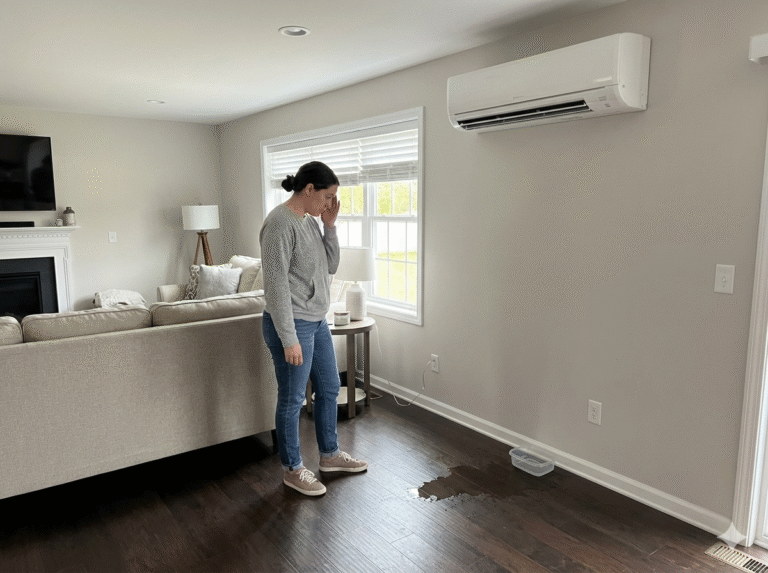
- Signs: The odor is often most noticeable at system startup. You may also have a clogged drain line causing water to back up and overflow from the drain pan.
Common Source #2: A Dirty Evaporator Coil or Drain Pan
Moisture condenses directly on the cold evaporator coil and drips into the drain pan beneath it. Dirt and dust on the coil mix with this moisture, creating a paste-like substance that mold can feed on.
- Why it Causes a Musty Smell: Mold grows directly on the coil or in the standing water of a poorly draining pan. Air blowing across these contaminated surfaces picks up the odor.
- Signs: The odor may be more constant when the system runs. In severe cases, you might see visible biological growth if you inspect the coil through the service panel (with power OFF).
Other Potential Sources
- Dirty Air Filter: A filter overwhelmed with dust and skin cells can hold moisture and develop an odor, which is then circulated.
- Ductwork Contamination: If ducts have internal insulation that has gotten wet, mold can grow there. This is more common after significant water damage or long-term neglect.
- “Dirty Sock Syndrome”: This is a specific, strong musty odor often attributed to certain types of bacteria accumulating on the coil, particularly in heat pump systems during the heating-to-cooling transition.
Practical Value: Steps to Clean and Deodorize Your System
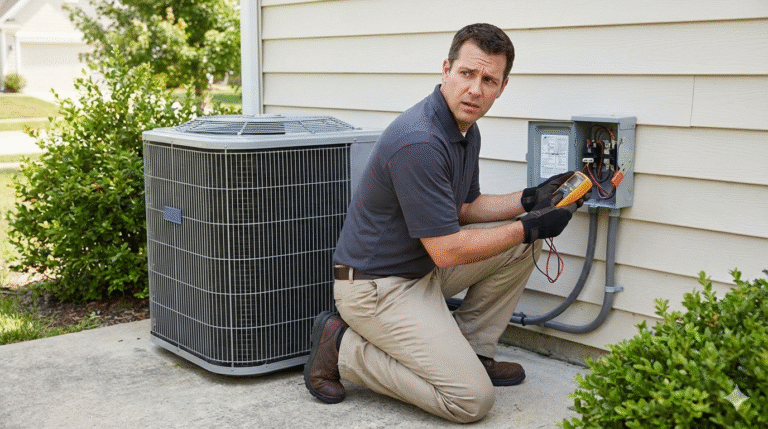
SAFETY FIRST: Always turn off the power to both the indoor air handler/furnace and the outdoor condenser at the circuit breaker before performing any maintenance.
Step 1: Replace the Air Filter
Start with a fresh, high-quality filter. This improves airflow and removes a potential odor source.
Step 2: Clean the Condensate Drain Line
- Locate the drain line’s access point (a T-shaped vent or clean-out tee near the air handler) and where it exits your home.
- Pour 1 cup of distilled white vinegar or a specialty condensate pan tablets into the access point. This will kill algae and mold. Let it sit for 30 minutes.
- Flush the line with hot water. For stubborn clogs, you can use a wet/dry vacuum on the exit point to suck out the blockage.
Step 3: Inspect and Clean the Drain Pan
- Access the drain pan beneath the evaporator coil.
- Remove any standing water and sludge with a wet/dry vacuum or rag.
- Clean the pan with a mixture of water and mild detergent or vinegar. Ensure the drain hole is clear.
- Consider placing a condensate pan treatment tab in the clean pan to inhibit future growth.
Step 4: Clean the Evaporator Coil (Advanced DIY / Professional)
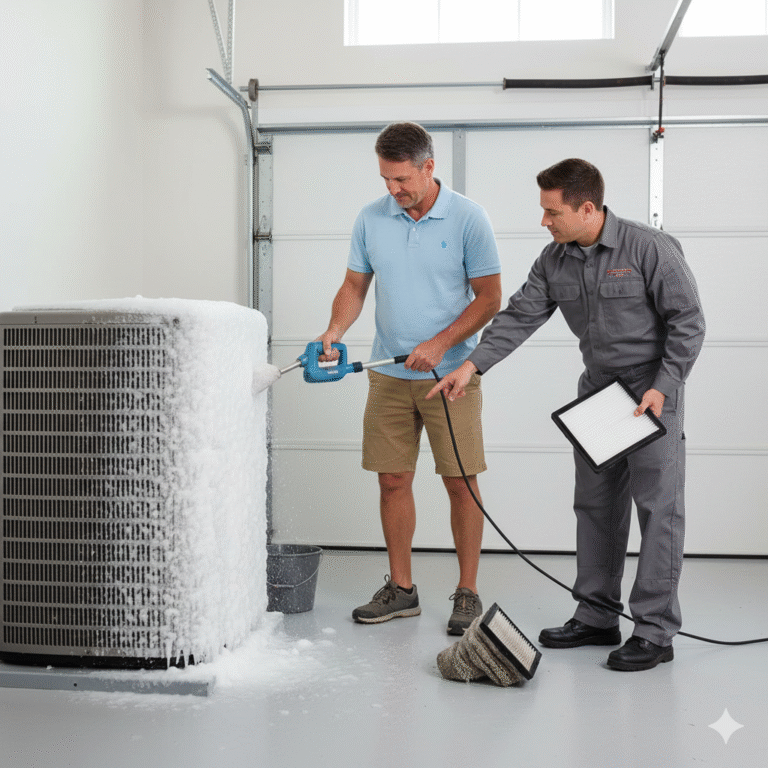
- Homeowner Option: With power OFF, you can use a fin-safe soft brush to gently remove loose debris from the coil fins. Then, spray a no-rinse coil cleaner (available at HVAC supply stores) as directed. The foam will drip into the drain pan, carrying dirt with it.
- Note: Coils are delicate. If you are not comfortable, this is a key service provided during a professional maintenance visit.

Prevention: How to Stop Musty Smells from Returning
- Regular Filter Changes: Maintain a strict 1-3 month schedule.
- Annual Professional Maintenance: Includes coil cleaning and drain line inspection.
- Use a Dehumidifier: In naturally humid climates, keeping overall home humidity below 60% helps.
- Keep the System Running Periodically: In mild weather, run the fan periodically to keep air moving and prevent stagnation.
- Consider UV-C Light Installation: An ultraviolet light system installed in the air handler near the coil can effectively kill mold and bacteria, preventing growth and odors.
When to Call an HVAC Professional
Contact a certified technician for:
- Persistent Odors after you’ve cleaned the drain line and replaced the filter.
- Visible Mold Growth on the coil, in the ducts, or around the air handler that is extensive or black in color.
- Suspected Ductwork Contamination. Professionals have tools like duct cameras and can perform duct cleaning if necessary.
- Water Damage History in your home that may have affected the HVAC system.
- To apply a professional-grade antimicrobial treatment to the coil and drain pan for long-lasting prevention.